
[rockthemes_specialgridblock avoid_sidebar=”regular” skip_sg=”true”]
At Jarlo LLC we use Art Therapy as a form of psychotherapy that uses creative expression—such as painting, drawing, sculpting, and other artistic activities—to help individuals explore emotions, improve mental health, and enhance self-awareness. It is guided by a trained art therapist and is particularly beneficial for people experiencing stress, trauma, anxiety, or emotional difficulties.
How Art Therapy Works
Art therapy helps individuals:
- Express feelings that may be difficult to put into words.
- Reduce stress and anxiety through creative expression.
- Improve self-esteem and confidence.
- Process past traumas in a safe and constructive way.
- Enhance cognitive and motor skills.
 Who Can Benefit from Art Therapy?
Art therapy is suitable for people of all ages, including:
- Children dealing with behavioral or emotional issues.
- Adults coping with stress, depression, or trauma.
- Elderly individuals experiencing dementia or memory loss.
- Patients with chronic illnesses or disabilities seeking emotional relief.
Examples of Art Therapy Activities
- Painting Emotions: Individuals paint colors and shapes that represent their feelings.
- Sculpting Memories: Creating 3D art to symbolize past experiences or emotions.
- Collage Making: Using magazine clippings and mixed media to express thoughts and dreams.
- Mandala Drawing: Drawing repetitive patterns to promote relaxation and mindfulness.
[/rockthemes_tabs_single][rockthemes_tabs_single title=”Couples Therapy” tab_hash=”couple_therapy” icon_class=”icomoon icomoon-icon-users” icon_url=””]
Understanding Couples Therapy.
Couples therapy is a type of therapy that is designed to help partners in a romantic relationship improve their communication, resolve conflicts, and strengthen their emotional connection. A trained therapist facilitates discussions and provides tools to help couples navigate challenges.
Why Do Couples Seek Therapy?
Couples may seek therapy for various reasons, including:
- Communication breakdown
- Trust issues
- Infidelity recovery
- Financial disagreements
- Parenting conflicts
- Emotional disconnection
- Intimacy concerns
How Does It Work?
- Assessment Phase – The therapist meets with both partners to understand their concerns and goals.
- Identifying Patterns – Recognizing negative behavior cycles affecting the relationship.
- Communication Techniques – Teaching skills like active listening and empathy.
- Conflict Resolution – Learning healthy ways to handle disagreements.
- Emotional Reconnection – Strengthening intimacy and bonding.
- Homework Assignments – Practical exercises to reinforce therapy lessons.
[/rockthemes_tabs_single][rockthemes_tabs_single title=”Family Therapy” tab_hash=”family_therapy” icon_class=”icomoon icomoon-icon-amount” icon_url=””]
Family Therapy is a form of psychotherapy that focuses on improving communication and resolving conflicts within families. It involves helping family members understand each other, develop healthy relationships, and navigate challenges together.
Key Aspects of Family Therapy:
- Communication Improvement: Therapists help family members express their thoughts and emotions more effectively.
- Conflict Resolution: Families learn to manage disagreements in a healthy manner.
- Behavioral Changes: It addresses patterns of behavior that may be causing stress or dysfunction.
- Strengthening Relationships: Therapy fosters deeper connections between family members.
- Coping Strategies: Families learn how to handle stress, grief, or major life changes.
[/rockthemes_tabs_single][rockthemes_tabs_single title=”Individual Therapy” tab_hash=”Individual_therapy” icon_class=”icomoon icomoon-icon-user” icon_url=””]
Individual Therapy (also known as Talk Therapy or Counseling) is a one-on-one session between Jarlo therapist and client. The goal is to help the individual explore, understand, and address personal challenges, emotions, and psychological issues in a safe and supportive environment.
Therapists use various therapeutic techniques and approaches to help individuals understand their thoughts and behaviors, improve their emotional well-being, and develop healthier coping strategies. It’s often sought for issues such as anxiety, depression, trauma, relationship problems, or self-esteem concerns.
Key Aspects of Individual Therapy:
-
Confidentiality
One of the most important aspects of individual therapy is confidentiality. What is shared during therapy is kept private unless there’s a risk of harm to the client or others. This allows individuals to feel comfortable opening up about their personal challenges. -
Therapeutic Relationship

The bond between the therapist and client is central. It’s built on trust, empathy, and understanding, providing the client a safe space to explore difficult emotions and experiences. -
Variety of Approaches
There are different types of therapy that may be used in individual therapy, including:- Cognitive Behavioral Therapy (CBT): Focuses on identifying and changing negative thought patterns.
- Psychodynamic Therapy: Explores unconscious processes and how past experiences influence present behavior.
- Humanistic Therapy: Emphasizes personal growth and self-actualization.
[/rockthemes_tabs_single][rockthemes_tabs_single title=”Play Therapy” tab_hash=”play_therapy” icon_class=”icomoon icomoon-icon-clubs” icon_url=””]
Understanding Play Therapy
What is Play Therapy?
At Jarlo we use play to help children express their emotions, thoughts, and experiences in a safe and structured environment. It is particularly effective for children who have difficulty articulating their feelings verbally.
How Does Play Therapy Work?
Play therapy provides children with toys, games, and activities that allow them to express themselves naturally. A trained therapist observes and interacts with the child, helping them process emotions, develop problem-solving skills, and build healthier behaviors.
Types of Play Therapy
- Directive Play Therapy – The therapist guides the child through specific activities to address certain issues.
- Non-Directive Play Therapy – The child leads the session, choosing how they want to play while the therapist observes and supports them.
Benefits of Play Therapy
- Helps children express emotions safely
- Improves communication skills
- Builds confidence and problem-solving abilities
- Helps process trauma and emotional distress
[/rockthemes_tabs_single][/rockthemes_tabs]
Mental health therapy is a treatment approach used to help individuals manage and overcome emotional, psychological, and behavioral challenges. Therapy involves working with a trained professional, typically a psychologist, counselor, or therapist, who helps individuals explore their thoughts, feelings, and behaviors. The goal is to improve mental well-being, develop coping strategies, and address any issues affecting a person’s quality of life.
Types of Mental Health Therapy
-
Cognitive Behavioral Therapy (CBT): This is one of the most commonly used forms of therapy. It focuses on identifying and changing negative thought patterns and behaviors that contribute to mental health problems like anxiety, depression, and stress.
-
Psychodynamic Therapy: This form of therapy is based on the idea that unconscious thoughts and past experiences influence current behavior. It aims to bring these unconscious thoughts to light so individuals can better understand their emotional challenges.
-
Humanistic Therapy: This approach focuses on helping individuals achieve personal growth and self-actualization. It emphasizes self-awareness, self-acceptance, and understanding one’s potential.
-
Family Therapy: This type of therapy involves the whole family and focuses on improving communication, resolving conflicts, and understanding dynamics that affect each member’s mental health.
-
Group Therapy: In group therapy, a therapist guides a small group of individuals facing similar challenges. It offers a supportive environment where people can share experiences, offer feedback, and gain different perspectives.
Common Issues Addressed by Therapy:
- Depression: Feelings of sadness, hopelessness, and lack of motivation that interfere with daily life.
- Anxiety: Excessive worry, fear, or nervousness that can impact a person’s well-being.
- Stress: Difficulty managing work, relationships, or other pressures.
- Trauma: Experiences like abuse, accidents, or loss that lead to emotional distress.
- Addictions: Issues related to substance abuse or other addictive behaviors.
Benefits of Mental Health Therapy:
- Improved emotional well-being: Therapy helps people better understand and manage their emotions.
- Better coping strategies: Therapy equips individuals with tools to handle stress, anxiety, and other challenges.
- Healing from trauma: It provides a safe space to process and recover from difficult experiences.
- Enhanced relationships: Therapy can improve communication and conflict resolution skills in personal and professional relationships.
Mental health therapy is an essential tool in addressing and improving psychological health, allowing individuals to live fuller and more balanced lives.
[/rockthemes_tabs_single][rockthemes_tabs_single title=”Psycho Therapy” tab_hash=”psycho_therapy” icon_class=”icomoon icomoon-icon-wand” icon_url=””]
Psychotherapy, also known as talk therapy, is a treatment for mental health disorders and emotional difficulties. It involves talking with our trained therapist to address challenges, improve mental well-being, and cope with various life issues. Psychotherapy helps individuals explore thoughts, feelings, and behaviors in a safe, confidential space.
Benefits of Psychotherapy:
- Increased self-awareness and understanding
- Better emotional regulation and stress management
- Enhanced communication skills
- Improved relationships
- Reduction in symptoms of anxiety, depression, or other mental health issues
[/rockthemes_tabs_single][rockthemes_tabs_single title=”Sound Healing Therapy” tab_hash=”sound_healing-therapy” icon_class=”icomoon icomoon-icon-headphones” icon_url=””]
Sound Healing Therapy is a therapeutic practice that utilizes sound vibrations to promote healing, balance, and well-being. It is rooted in the idea that everything in the universe, including the human body, is made up of vibrations or frequencies. By using specific sound frequencies, sound healing aims to restore harmony and balance to the body and mind.
Key Elements of Sound Healing Therapy:
-
Vibrations: Everything in nature, including our bodies, has a natural frequency or vibration. Disruptions or imbalances in these vibrations can lead to physical or emotional distress. Sound healing works by restoring these natural frequencies through sound.
-
Sound Instruments: Various instruments are used in sound healing, including:

- Tuning Forks: These are struck to produce pure vibrations that are used to resonate with specific parts of the body.
- Singing Bowls: These are used in Tibetan healing traditions, where bowls are made of metal or crystal and produce deep, resonating sounds when played.
- Gongs: Large gongs are often used to create powerful vibrations that can affect the energy field of the body.
- Drums: Shamanic drumming is another form of sound therapy, where rhythmic beats help release emotional blockages.
- Voice: Chanting or singing, especially using mantras, can also be part of the sound healing process.
-
Types of Sound Therapy:
- Binaural Beats: A form of auditory illusion created when two slightly different sound frequencies are played in each ear, which can promote relaxation, focus, or sleep.
- Isochronic Tones: Single tones that pulse at specific frequencies, used for brainwave entrainment, which can promote mental clarity or relaxation.
- Music Therapy: Using music with a particular rhythm or melody to reduce stress, improve mood, or promote relaxation.
-
Healing Process: The idea is that sound vibrations can penetrate deeply into the body, helping to release blockages in energy flow, improve blood circulation, and reduce stress. The sounds help shift mental states from anxiety or stress to a more relaxed, calm state, facilitating healing.
-
Benefits:
- Physical: Relieves pain, reduces muscle tension, promotes healing of wounds, and improves circulation.
- Mental: Reduces anxiety, stress, and depression, and promotes relaxation and clarity.
- Emotional: Facilitates emotional release, clears emotional blockages, and fosters inner peace.
[/rockthemes_tabs_single][rockthemes_tabs_single title=”Stress Management Therapy” tab_hash=”stress_management_therapy” icon_class=”icomoon icomoon-icon-contract” icon_url=””]
Stress Management Therapy: is a range of therapeutic techniques designed to help individuals cope with, reduce, and manage stress effectively. Stress is a natural response to challenges or demands, but prolonged stress can have a negative impact on mental, emotional, and physical health. Stress management therapy aims to alleviate this strain, improve resilience, and promote a more balanced life.
Key Concepts in Stress Management Therapy
-
Understanding Stress
Stress occurs when a person perceives a situation as threatening or overwhelming. It activates the body’s “fight or flight” response, increasing heart rate, blood pressure, and adrenaline. While short-term stress can be motivating, long-term stress can lead to anxiety, depression, and physical problems like headaches, digestive issues, and high blood pressure. -
Types of Stress
- Acute Stress: Short-term stress that is triggered by immediate demands or challenges.
- Chronic Stress: Prolonged stress that persists over time, often caused by ongoing life difficulties.
- Eustress: Positive stress that can be motivating and lead to personal growth.
- Distress: Negative stress that can overwhelm a person and lead to harmful effects.
-
Stress Management Techniques
There are several approaches to stress management, each focusing on different aspects of stress:-
Cognitive Behavioral Therapy (CBT): This therapy focuses on changing negative thought patterns that contribute to stress. CBT helps individuals identify irrational thoughts, reframe them, and develop healthier coping mechanisms.
-
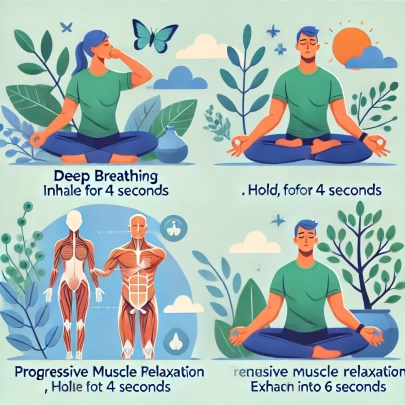
Relaxation Techniques: These include deep breathing exercises, progressive muscle relaxation, and guided meditation. These methods help activate the body’s relaxation response, reducing the physical symptoms of stress.
-
Mindfulness: Mindfulness practices, such as mindful breathing or mindful movement (e.g., yoga), help individuals stay present and focused, reducing stress caused by ruminating on the past or worrying about the future.
-
Physical Exercise: Regular physical activity, such as walking, swimming, or yoga, can help reduce stress hormones and increase endorphins, which are natural mood boosters.
-
Time Management: Poor time management can be a significant source of stress. Learning how to prioritize tasks, break large projects into manageable steps, and delegate responsibilities can reduce feelings of overwhelm.
-
Support Networks: Talking to friends, family, or a therapist can provide emotional support, reduce stress, and offer new perspectives on challenging situations.
-
-
Biofeedback Therapy: This technique uses monitoring devices to teach individuals how to control certain bodily functions (like heart rate or muscle tension) to reduce stress levels.
Benefits of Stress Management Therapy
- Improved Mental Health: Reduces anxiety, depression, and irritability.
- Physical Health Benefits: Lowers blood pressure, reduces muscle tension, and improves immune function.
- Enhanced Focus and Productivity: Helps individuals manage tasks more effectively without feeling overwhelmed.
- Better Sleep: Reduces the physical and mental tension that can disrupt sleep.
[/rockthemes_tabs_single][/rockthemes_tabs]
Anxiety and depression are common mental health conditions that affect many people around the world. Both can have a significant impact on an individual’s emotional, physical, and mental well-being.
Anxiety:
Anxiety is a feeling of worry, nervousness, or unease about something with an uncertain outcome. It’s a normal response to stress, but when it becomes excessive and persistent, it may develop into an anxiety disorder.
Symptoms of Anxiety:
- Rapid heart rate or palpitations
- Restlessness or feeling on edge
- Trouble concentrating
- Irritability
- Difficulty sleeping
- Sweating or shaking
Common Types of Anxiety Disorders:
- Generalized Anxiety Disorder (GAD): Excessive, uncontrollable worry about everyday things.
- Panic Disorder: Sudden episodes of intense fear and discomfort.
- Social Anxiety Disorder: Fear of social situations and being judged by others.
Depression:
Depression is a mood disorder that causes a persistent feeling of sadness and loss of interest. It affects how a person feels, thinks, and handles daily activities.
Symptoms of Depression:
- Persistent sadness or feeling “empty”
- Loss of interest or pleasure in activities once enjoyed
- Fatigue or lack of energy
- Difficulty concentrating or making decisions
- Changes in appetite or weight
- Thoughts of death or suicide
[/rockthemes_tabs_single][rockthemes_tabs_single title=”Self Esteem” tab_hash=”self_esteem” icon_class=”icomoon icomoon-icon-bullhorn” icon_url=””]
Understanding Self-Esteem Therapy: refers to how we perceive and value ourselves. It plays a crucial role in mental health, influencing how we face challenges, how we relate to others, and how we view our capabilities. Low self-esteem can lead to negative thought patterns, unhealthy relationships, and a lack of confidence in one’s ability to succeed. On the other hand, high self-esteem fosters resilience, self-acceptance, and the courage to pursue goals.
Key Aspects of Self-Esteem
-
Self-Worth: This is the foundational belief that we are valuable and deserving of respect and happiness, regardless of our achievements or failures.
-
Self-Respect: This refers to honoring one’s own boundaries, treating oneself with dignity, and standing up for personal rights.
-
Self-Confidence: The belief in one’s abilities to handle challenges and make decisions. This can be nurtured through positive self-talk, setting and achieving small goals, and focusing on past successes.
-
Self-Acceptance: Embracing one’s imperfections and understanding that flaws are a natural part of being human. It involves letting go of unrealistic expectations and forgiving oneself for mistakes.
Self-Esteem Therapy Techniques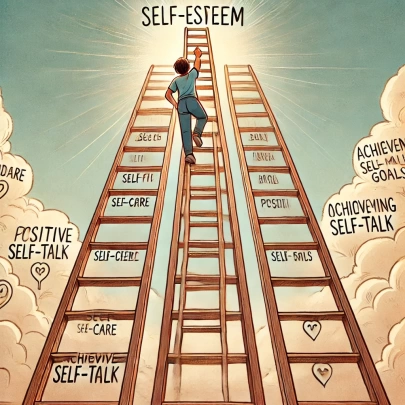
Therapy for improving self-esteem can involve various approaches:
-
Cognitive Behavioral Therapy (CBT): Helps identify and challenge negative thought patterns that affect self-worth, replacing them with more positive and realistic beliefs.
-
Mindfulness and Self-Compassion: Techniques that encourage living in the moment and treating oneself with kindness rather than self-criticism.
-
Affirmations and Positive Self-Talk: Using positive affirmations daily can gradually reshape negative thinking patterns.
-
Goal Setting and Achieving Small Wins: Setting small, achievable goals boosts self-confidence and helps create a sense of accomplishment.
Conclusion
Self-esteem therapy is about helping individuals understand their inherent worth, overcome negative self-perceptions, and develop a more positive and realistic view of themselves. Through techniques like CBT, mindfulness, and positive affirmations, individuals can enhance their self-esteem and lead a more fulfilling life.
[/rockthemes_tabs_single][rockthemes_tabs_single title=”Trauma Care Therapy” tab_hash=”trauma_care-therapy” icon_class=”icomoon icomoon-icon-small54″ icon_url=””]
Trauma Care Therapy is a specialized form of psychological treatment aimed at helping individuals who have experienced traumatic events or suffer from post-traumatic stress disorder (PTSD). The goal is to assist individuals in understanding, processing, and healing from trauma so they can regain a sense of control, emotional stability, and resilience.
Key Concepts in Trauma Care Therapy:
-
Trauma: Trauma refers to the emotional, physical, or psychological harm that occurs as a result of a deeply distressing or disturbing event. This could be a car accident, abuse, war, loss of a loved one, or natural disasters.
-
PTSD: Post-Traumatic Stress Disorder is a mental health condition that can develop after experiencing trauma. Symptoms may include flashbacks, nightmares, anxiety, irritability, and emotional numbness.
-
Therapeutic Approaches:

- Cognitive Behavioral Therapy (CBT): CBT helps individuals identify and change negative thinking patterns related to trauma. It focuses on altering distorted thoughts to reduce the emotional impact of trauma.
- Eye Movement Desensitization and Reprocessing (EMDR): EMDR is a technique that helps individuals reprocess traumatic memories by using guided eye movements while recalling distressing events.
- Somatic Therapy: This approach recognizes that trauma can be stored in the body and addresses physical symptoms of trauma through mindful movement, touch, and breathwork.
-
Healing through Safe Environment: Trauma therapy provides a safe, non-judgmental space where individuals can process their emotions without fear of retribution or abandonment.
[/rockthemes_tabs_single][/rockthemes_tabs]
[/rockthemes_specialgridblock]